Vietnam has been, and will continue to be, an attractive investment destination for foreign investors. Apart from the business plan, to be able cary on occupations in Vietnam, the foreign investors shall be granted investment registration certificate (IRC
A Vietnam Investment Registration Certificate records an investment project within the applicable legal framework. Preparing for the document requires more than collecting an investor's identity papers. The project description, proposed location, funding and implementation plan need to form a consistent account of the intended operation. Investors should first determine whether the certificate is required for their structure, then organise the records and decisions needed for the relevant procedure.
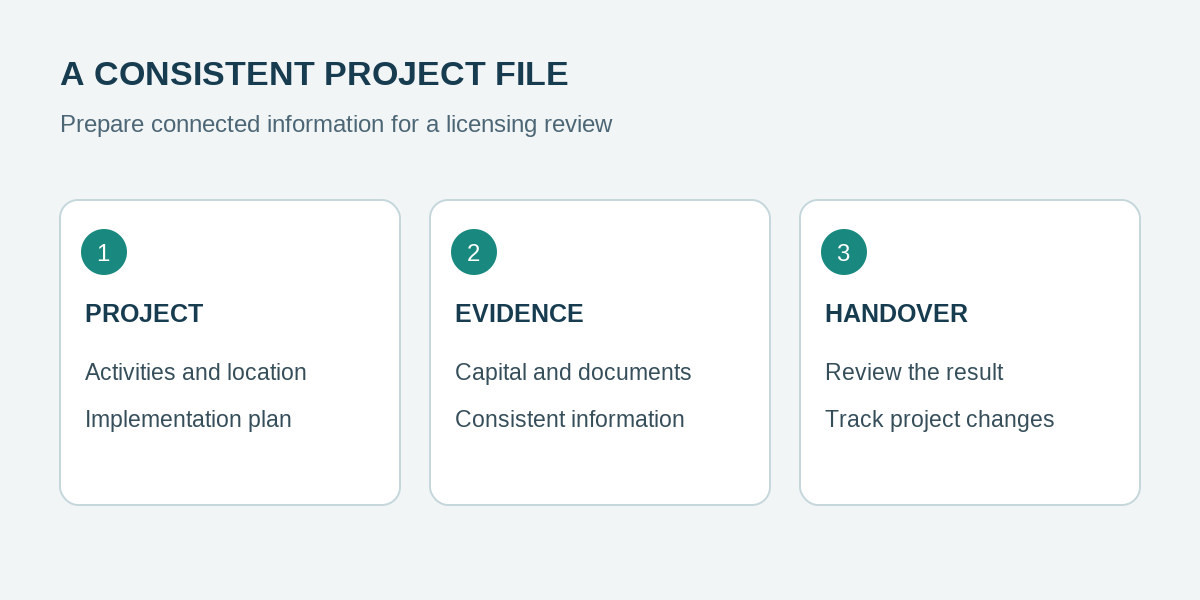
The certificate is part of an investment process, not a substitute for every corporate or operating requirement. An investor may also need to assess establishment, sector conditions and other project matters. The sequence must reflect the current law and the actual transaction. A business should not assume that an older registration checklist describes every route available or required for a new project.
Under the 2025 Law on Investment, effective from 1 March 2026, project registration and investment through capital contribution or share purchases are treated differently. The correct analysis begins with the structure and the project, including the status of any existing entity. The certificate question should therefore be answered before the team commissions a document package based on an assumed procedure.
Describe the activities, expected scale, location and intended implementation. A broad statement that the investor will conduct “business services” may not provide enough information for legal assessment. Explain what the operation will actually do and distinguish the immediate project from possible future activities. This makes it easier to identify conditions and documents relevant to the proposal.
For a Vietnam Investment Registration Certificate assignment, prepare a project brief that management has reviewed. Include material assumptions, such as the availability of premises or the role of a local partner. If an important fact remains unresolved, identify it as a dependency. A draft should not turn a tentative commercial idea into an apparently final commitment without instruction.
Confirm the proposed investor's identity and the capacity in which it will act. A group name used in presentations may not be the entity making the investment. Collect the appropriate records of existence, authority and authorisation, then ensure that the same account appears in the project materials. Resolve inconsistent names or ownership descriptions before they spread through several documents.
If an entity is already established in Vietnam, provide its operative records and describe how it relates to the proposed project. Do not assume that an existing company removes the need for project assessment or that a new project always requires another entity. The legal work should establish the relevant position from the facts and current framework.
Identify where the project is intended to operate and which records support the proposed use of the site. The commercial availability of premises is only one part of the question. The location needs to be considered in relation to the activities and any applicable land, construction, environmental or other requirements. A proposed lease should be reviewed in that wider context where relevant.
Vietnam Investment Registration Certificate preparation should flag uncertainty about the site early. If the business has only a preliminary understanding with a landlord, record that status. If several possible locations remain under consideration, explain which assumptions the project brief uses. An unresolved site question can affect more than an address field and may require changes across the proposal.
The funding description should explain the resources required for the project and the proposed sources. Distinguish equity from other financing and identify decisions or agreements still needed. The corporate approvals, project description and commercial records should use consistent amounts and assumptions. A number inserted to complete a form does not necessarily represent a workable funding plan.
The implementation schedule should also reflect the actual dependencies. Premises, equipment, staff and other inputs may need to be arranged before operations can begin. Identify the work required and the person responsible for each item. Where a timetable relies on an unconfirmed event, make that clear rather than presenting the date as assured.
Use precise language to describe the status of financial arrangements. A planned contribution, an internal approval and a completed transfer are different events. The legal and banking treatment requires appropriate assessment, and the project records should not blur those distinctions. Keeping a clear record helps the team answer later questions about how the plan will be implemented.
The required package should be checked under the framework applicable to the project. Start with the legal procedure, then identify the documents and confirmations needed to support it. A document list should show who will provide each item, its current status and any translation or authentication question. It should also identify material information that still needs management approval.
A Vietnam Investment Registration Certificate project benefits from document control. Keep current versions in an organised location and identify superseded drafts. Check names, figures, project descriptions and signing capacities across the package. A change in one document may require revisions elsewhere, particularly when it affects ownership, location or the scope of activities.
The appropriate authority and procedure depend on the project and applicable rules. Confirm them for the actual location and circumstances rather than relying on an office name copied from an old article. The project team should know who maintains the filing record, who can authorise amendments and who will coordinate responses to requests for clarification.
Distinguish preparation time from official processing. Collecting documents, resolving inconsistencies and obtaining signatures can affect the overall schedule before submission. A stated review period does not guarantee when the full project will be ready to operate. The investor should receive a timetable that explains assumptions and dependencies, with updates when the facts change.
A request for clarification should be considered against the entire record. If a response changes the project description, funding or timetable, identify which other documents require review. Record who approved the response and retain the version submitted. An isolated answer can create a new inconsistency if it is not reconciled with the rest of the package.
Where a question reveals a genuine commercial decision, refer it to the appropriate decision-maker. Advisers should not select a material business assumption merely to complete the next draft. The purpose of the process is an accurate project record, so unresolved matters need clear instructions rather than convenient wording.
A Vietnam Investment Registration Certificate should be reviewed against the approved project record when issued. Identify the recorded details, commitments and matters requiring attention. If a discrepancy appears, assess it promptly instead of assuming that the document can be used without further action. Keep the operative version with the supporting records and explain its role to the operational team.
The handover should identify which additional requirements need completion before particular activities begin. A certificate does not answer every sector, tax, employment or banking question. The business should have a practical responsibility list, showing what has been completed and what remains outstanding. This helps prevent the registration milestone from being mistaken for the end of preparation.
Projects develop over time. A new location, revised activity, funding change or different implementation plan may require assessment of the existing records and applicable procedures. Start with the actual change and the operative documents. Do not assume that a minor commercial adjustment is legally irrelevant or that every change follows the same amendment route.
Maintain a change register so that management and advisers can understand when a decision was made and why. Keep the corporate and project records aligned where the same facts appear in both. A reliable history makes later reviews more efficient and reduces the chance of relying on an obsolete description of the business.
An investor discussing assistance with Jurion & Partners can prepare an activity summary, ownership outline, proposed location and funding plan. The scope can then identify whether the immediate need is a legal feasibility assessment, document preparation, a particular filing or review of an existing project. The work should reflect the actual question rather than a package selected before the structure is understood.
The wider guide to procedures for foreign investment in Vietnam explains how market access, establishment, project records and operational preparation fit together. Use that framework to place the certificate workstream in context and identify related decisions that need to be made.
Before circulating the brief, ask the people responsible for finance and operations to confirm its practical assumptions. Record their comments and identify any decision still awaiting approval. This short internal review can prevent an avoidable revision later, particularly where several teams have been working from different versions of the investment plan.
Define the intended operation, identify the investor and verify the assumptions behind the location, funding and timetable. Then assess the relevant procedure and organise the supporting records. Careful Vietnam Investment Registration Certificate preparation gives the project a clearer documentary foundation and supports a more informed handover to the people responsible for implementation.






Subscribe today to get more breaking news from Jurion Partners - Solicitors & Litigators

108 Tran Dinh Xu St., Cau Ong Lanh Ward, Ho Chi Minh City, Vietnam
(+8428) 66.701.709 - (+84) 903.419.479
contact@jurionpartners.com
Follow us
Accept payment





 English
 Tiếng Việt